
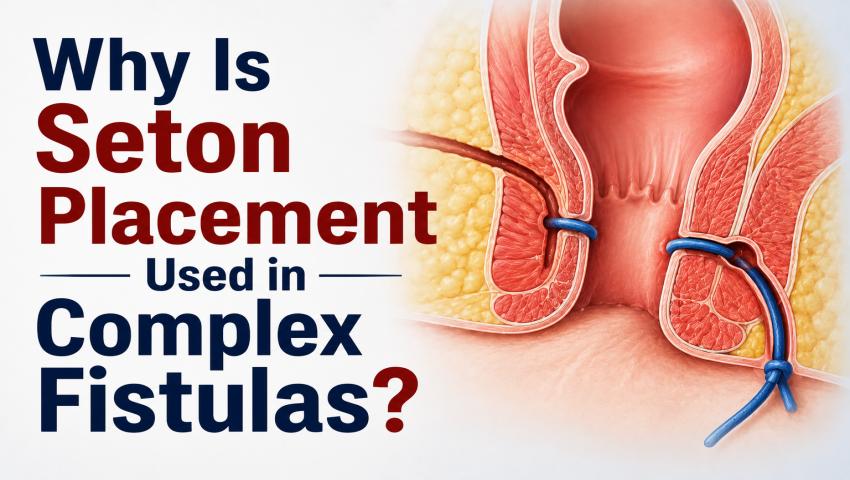
Why Is Seton Placement Used in Complex Fistulas?
A seton is a thin piece of thread, a rubber band, or a surgical suture. In the seton procedure, this material is carefully threaded through the fistula tract and tied loosely outside the body. It stays inside the tract — not to close it immediately — but to manage it over time.


Can Diabetes Delay Fistula Healing?
Your body needs a healthy immune response, proper blood flow, and good nutrition to heal a wound. When you look at diabetes and fistula healing, these natural processes are often disrupted.
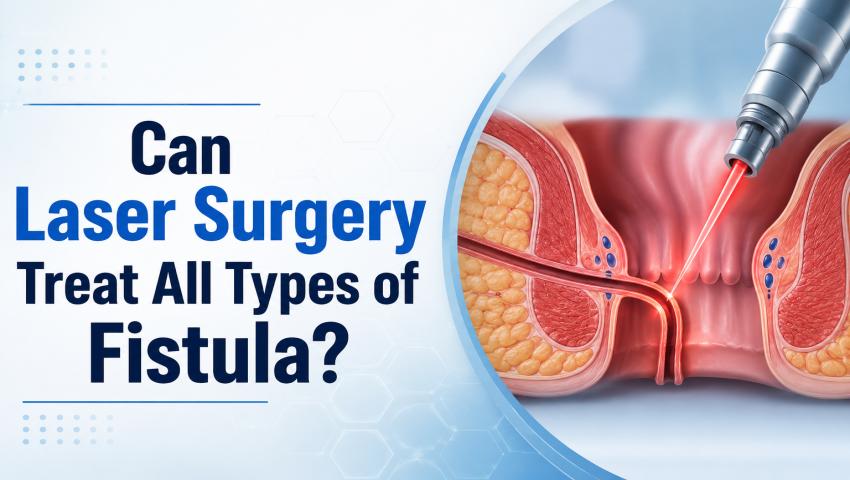
Can Laser Surgery Treat All Types of Fistula?
Many patients today are asking about fistula laser surgery. It sounds less scary, less painful, and faster to recover from. And in many cases, it truly is.
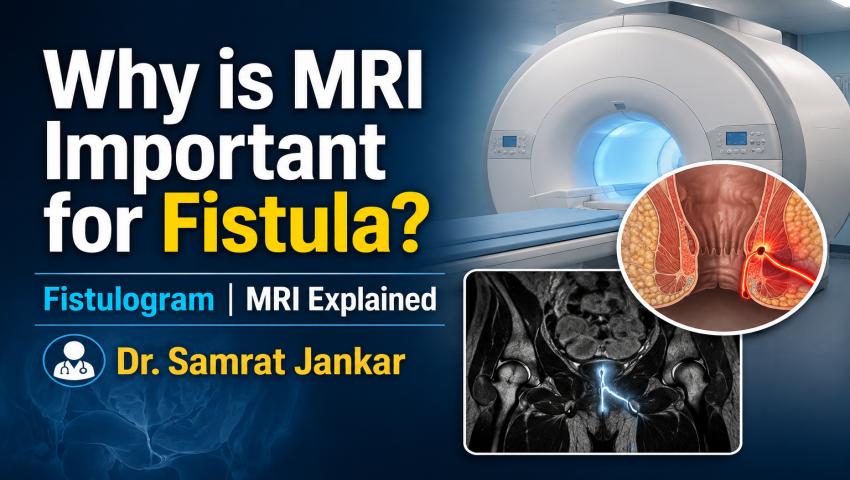
Why is MRI Important for Fistula? Fistulogram MRI Explained
An anal fistula is a small, abnormal tunnel or track. It connects an infected gland inside the anus to the outer skin around the buttocks. It usually develops after an anal abscess—which is a collection of pus—fails to heal completely.
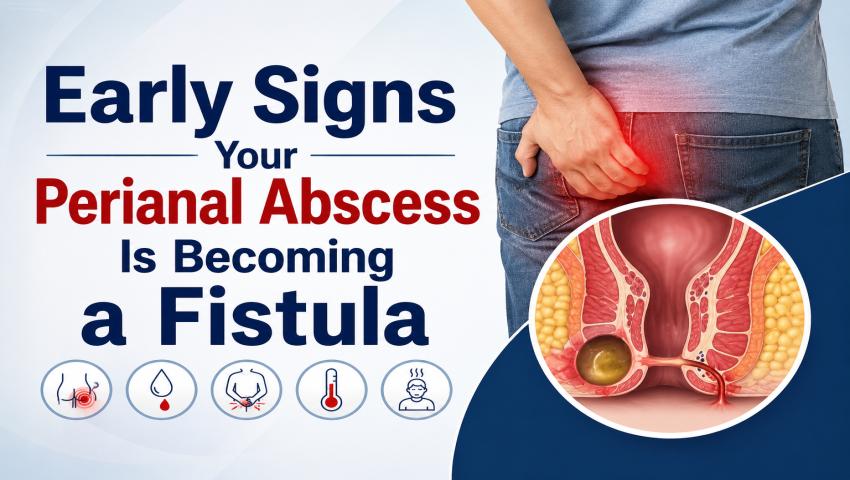
Early Signs Your Perianal Abscess Is Becoming a Fistula
A perianal abscess is a painful collection of pus that develops near the anus. This infection usually begins when one of the small mucus-producing glands inside the anal canal becomes blocked. When bacteria get trapped inside the blocked gland, an infection forms and creates an abscess pocket.
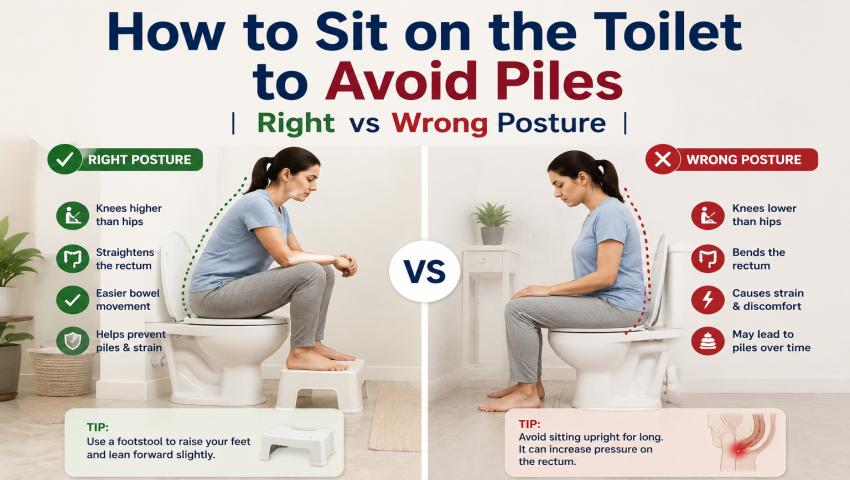
How to Sit on the Toilet to Avoid Piles? Right vs Wrong Posture
Piles are venous cushions present in the anal region — at the back end passage. These cushions are normal. Every person has them. The problem starts when they swell due to persistent pressure.

How to Heal a Fissure Fast? Expert Tips by Dr. Samrat Jankar
Are you feeling sharp pain every time you go to the toilet? You may be suffering from an anal fissure. Do not worry — you are not alone.

Can a Fistula be Cured with Medicine, or Heal on Its Own?
A fistula is an abnormal tunnel or tract that forms between two body parts that are not normally connected. In the context of colorectal health, an anal fistula is a small channel that develops between the inner lining of the anal canal and the skin around the anus.

Perianal Abscess Stages: Drainage, Healing Stages and Fistula Starting Stage Guide
A perianal abscess (also known as an anal abscess) is a painful, pus-filled cavity located near the anus or rectum. It usually begins with an infection in the small anal glands.
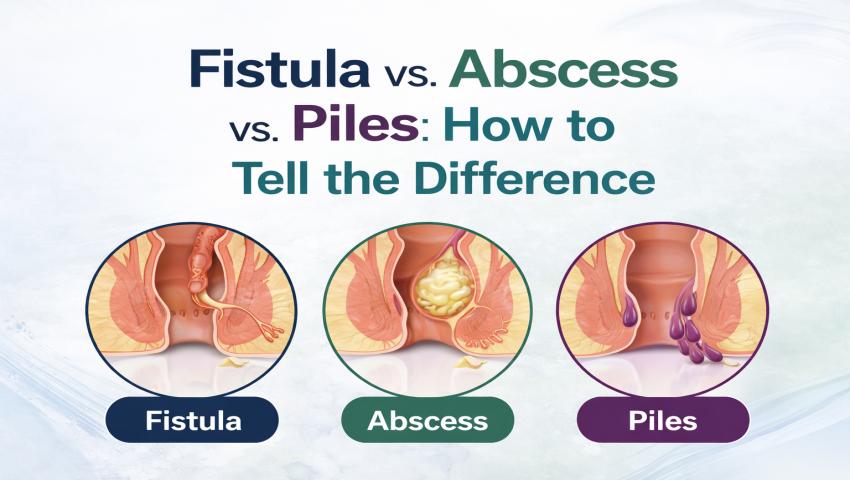
Fistula vs. Abscess vs. Piles: How to Tell the Difference?
When you experience discomfort, a painful lump near anus, or notice blood with stool hemorrhoids, it is natural to feel anxious. Many patients confuse different anorectal conditions because they occur in the same area.
Recent News

गुदद्वाराजवळ वारंवार फोड आणि पू येतोय?
26th October 2026
I Have Pus Coming From a
15th October 2026
Anal Discharge That Keeps Coming Back:
5th October 2026
Chronic Anal Fissure: When Does It
18th September 2026
The Sandwich Approach: Combining Biofeedback and
11th September 2026
Persistent Pus Discharge Near the Anus
28th August 2026
FiLaC vs VAAFT vs LIFT –
10th August 2026
How Surgeons Map Fistula Tracts Before
5th August 2026
Multiple External Openings in Fistula: What
16th July 2026
Why Choosing the Right Fistula Surgeon
15th July 2026
Stay ahead in a rapidly world. Subscribe to Prysm Insights,our monthly look at the critical issues facing global business.
[mc4wp_form]