Kaizen Fistula Care

Perianal Abscess Stages: Drainage, Healing Stages and Fistula Starting Stage Guide

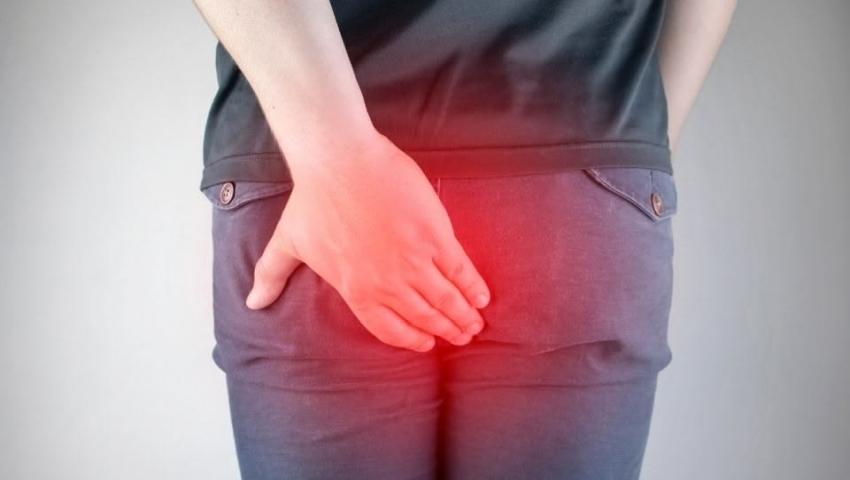
Dealing with a perianal abscess can be an incredibly painful and distressing experience. Many patients often confuse the initial discomfort with simple boils or piles, only to realise later that it requires professional medical intervention. Understanding the perianal abscess stages is crucial for timely treatment and to prevent the condition from turning into a chronic anal fistula.

17 year experience in Complex fistula management

Highest success rate and least complication rate

5000+ successful surgeries for piles, fissures, and fistulas

In person consultant with expert surgeon
If you are experiencing a perianal abscess swelling near anus, seeking help from an expert is vital. Dr. Samrat Jankar, a renowned Fistula Surgeon in Pune and the Best Colorectal Surgeon in Pune, specializes in managing such complex anorectal conditions. As the Director & Head of the Department of Surgical Gastroenterology at Kaizen Gastro Care Clinic, PCMC, Pune, Dr. Jankar offers unmatched expertise. With over 17 years of experience and more than 5000 successful surgeries for piles, fissures, and fistulas, he is a trusted Fistula Specialist in Pune.

In this guide, we will walk you through the symptoms, the critical perianal abscess stages, recovery, and how to prevent complications like an anal fistula.

What is a Perianal Abscess?

A perianal abscess (also known as an anal abscess) is a painful, pus-filled cavity located near the anus or rectum. It usually begins with an infection in the small anal glands. If left untreated, the perianal abscess disease can lead to severe complications, including systemic infection or the formation of an anal fistula. Understanding the perianal abscess healing stages and the risks of perianal abscess recurrence is the first step toward a permanent cure.

What Causes Perianal Abscess?

Knowing the perianal abscess causes helps in early detection. The most common reasons include:

  • Blocked Anal Glands: The most frequent cause where glands inside the anus become clogged and infected.
  • Bacterial Infection: Common bacteria from the gut can infect the area.
  • Digestive Conditions: Patients with Crohn’s disease or Ulcerative Colitis are at a higher risk of developing an anorectal abscess.
  • Weak Immunity: Conditions like diabetes or HIV can make one prone to infections.
  • Poor Hygiene: Lack of proper cleanliness in the anal region.

Common Perianal Abscess Symptoms:

A perianal abscess symptom usually starts mild but escalates quickly. Watch out for:

  • Constant, throbbing pain near the anus.
  • Perianal abscess swelling that feels warm to the touch.
  • A perianal abscess lump painful enough to make sitting or walking difficult.
  • Fever, chills, and general fatigue.
  • Discharge of pus or blood.

The 3 Key Perianal Abscess Stages You Should Know?

Dr. Samrat Jankar emphasises that identifying the infection early can prevent a major perianal abscess operation. Here are the perianal abscess Stages.

  1. Stage: Early Infection: You may feel mild discomfort or see a small perianal abscess lump.
  2. Stage: Abscess Formation: Pus begins to build up, leading to a perianal abscess swelling painful lump. The pain becomes more localized.
  3. Stage: Advanced Abscess: This is the perianal abscess stages peak where the skin becomes stretched, red, and inflamed. Fever usually develops at this point.

Treatment Options: Perianal Abscess Drainage

Many patients look for perianal abscess treatment without surgery. While warm soaks and antibiotics might help very minor infections, a true abscess requires perianal abscess drainage.

Antibiotics alone cannot penetrate a pus-filled cavity effectively. A minor surgical procedure to drain the pus is the standard perianal abscess treatment in Pune. This procedure provides immediate pain relief and prevents the infection from spreading deeper into the tissues.

perianal Abscess Healing Stages After Drainage:

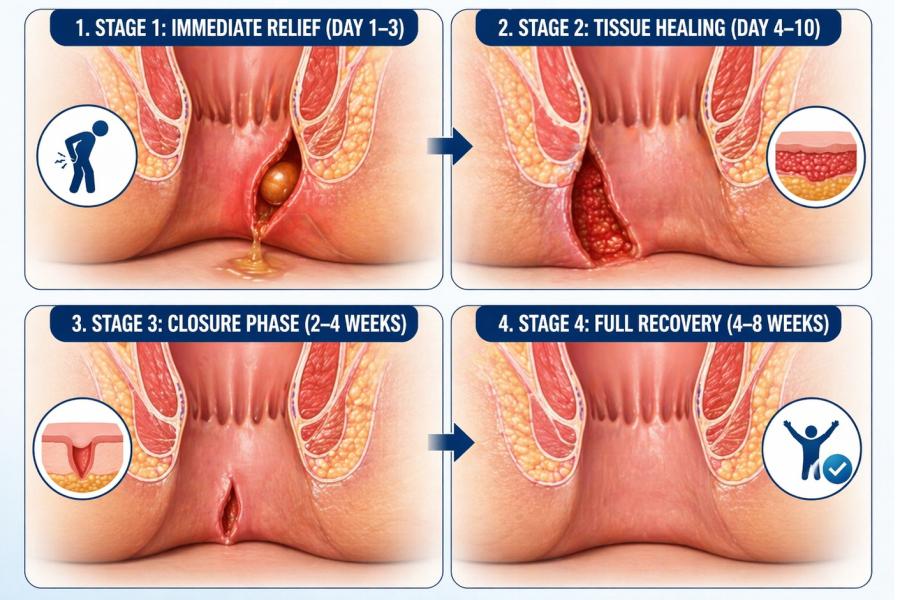
After the procedure, the body goes through specific abscess healing stages. While we cannot always provide perianal abscess healing stages pictures here, the process generally follows this timeline:
  1. Stage: Immediate Relief (Day 1–3): The throbbing pain reduces significantly as the pressure is released.
  2. Stage: Tissue Healing (Day 4–10): The wound stays open to allow remaining fluid to drain. Healthy red “granulation tissue” starts filling the gap.
  3. Stage: Closure Phase (2–4 weeks): The wound size shrinks, and discharge becomes minimal.
  4. Stage: Full Recovery (4–8 weeks): The skin heals completely. Samrat Jankar advises regular follow-ups during this time to ensure no fistula is forming.

The Abscess-Fistula Connection: How to Identify the Anal Fistula Starting Stage?

One of the biggest concerns with an abscess is the development of a fistula. An anal fistula is a small tunnel that connects the infected gland inside the anus to an opening on the skin.

Identifying the Fistula Starting Stages:

Approximately 50% of abscess cases lead to a fistula. You might be reaching the fistula starting stages if:

  • The abscess wound refuses to heal completely.
  • You experience recurrent perianal abscess in the same spot.
  • There is persistent, foul-smelling discharge from the site.

If you suspect your abscess is turning into a fistula, consulting a Fistula Specialist in Pune like Dr. Samrat Jankar is essential for a permanent cure.

Why Your Perianal Abscess Keeps Coming Back: Understanding Perianal Abscess Recurrence

It is frustrating when a perianal abscess keeps coming back. A perianal abscess recurrence usually happens due to:

  • Incomplete Drainage: If the infection wasn’t fully cleared.
  • Hidden Fistula: An underlying fistula that wasn’t treated during the first abscess episode.
  • Underlying Health Issues: Such as uncontrolled diabetes.

How to Prevent Perianal Abscess from Returning?

Prevention is better than cure. To understand how to prevent perianal abscess follow these steps:

  • Maintain Hygiene: Keep the area clean and dry.
  • High-Fiber Diet: Prevent constipation and straining, which can irritate anal glands.
  • Sitz Bath: Taking a sitz bath for fistula or abscess recovery helps keep the area clean and improves blood flow.
  • Prompt Treatment: Early treatment of any perineal abscess prevents it from turning into a complex fistula.
  • Samrat Jankar suggests that knowing how to prevent fistula after abscess involves strictly following post-operative care and ensuring the internal track is healed.

Special Considerations in Females:

A perianal abscess in female patient may face unique challenges. Hormonal changes during the menstrual cycle or pregnancy-related pressure can sometimes increase the risk of infections in the pelvic and anal region. Proper diagnosis by a specialist like Dr. Samrat Jankar ensures that the treatment is tailored to these specific needs.

When to See a Doctor?

You should book a consultation if you experience:

Conclusion:

Early diagnosis is the key to managing a perianal abscess. Whether it is the first time or a recurrent perianal abscess, professional care is essential. Proper drainage ensures a smooth transition through the healing stages and significantly reduces the risk of a permanent fistula.

For expert perianal abscess treatment in Pune, consult Dr. Samrat Jankar at Kaizen Gastro Care. With his vast experience and advanced surgical techniques, he ensures that your journey from diagnosis to recovery is safe and effective.

Contact at 9763635252 or schedule your appointment with Dr. Samrat Jankar today.