Kaizen Fistula Care

Fistula vs. Abscess vs. Piles: How to Tell the Difference?

When you experience discomfort, a painful lump near anus, or notice blood with stool hemorrhoids, it is natural to feel anxious. Many patients confuse different anorectal conditions because they occur in the same area. However, understanding whether you are dealing with a fistula, an abscess, or piles is crucial for the right treatment.

In this guide, Dr. Samrat Jankar, a renowned Fistula Surgeon in Pune and the Director & Head of the Department of Surgical Gastroenterology at the Kaizen Gastro Care Clinic, PCMC, Pune, helps simplify these conditions. As the Best Colorectal Surgeon in Pune, Dr. Jankar offers unmatched expertise. With over 17 years of experience in advanced laparoscopic and colorectal surgeries, he has successfully managed more than 5,000 cases of piles, fissures, and fistulas.

If you are looking for a Fistula Specialist in Pune or the Best Piles specialist in Pune, this comprehensive blog will help you understand your symptoms better.

Fistula vs. Abscess vs. Piles: What’s the Difference?

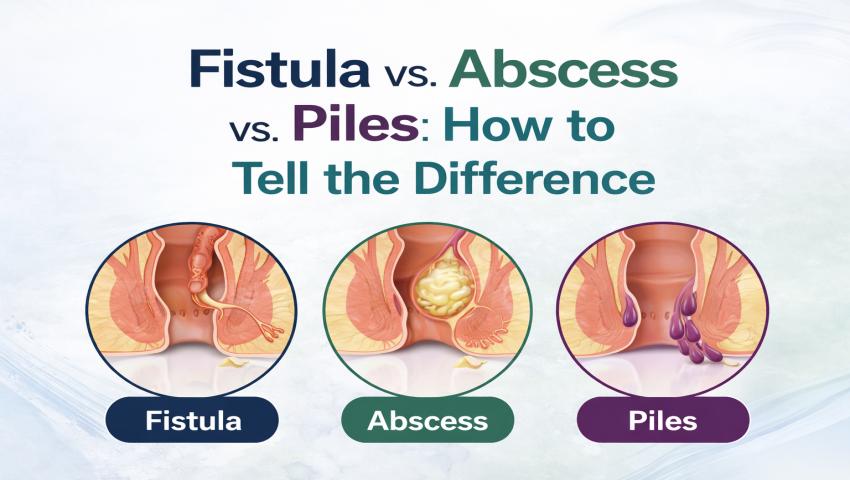
While all three conditions affect the perianal region, they are biologically very different. Piles are related to blood vessels, an Abscess is an acute infection (pus), and a Fistula is an abnormal tunnel-like pathway.

Similarities Between Fistula, Abscess, and Piles:

  • All can cause a swelling near anus with pain.
  • They may lead to discomfort while sitting or during bowel movements.
  • They often require a piles treating doctor or a colorectal specialist for a definitive diagnosis.

1. What is an Anal Fistula?

To define a fistula (locally known as Bhagandar disease), it is an abnormal tunnel that connects the internal anal canal to the outer skin surrounding the anus.

How it Forms?

Fistula formation usually happens after a previous infection. A fistulated abscess that does not heal properly often leaves behind a track, leading to a chronic condition. This is why fistula happens—it is essentially the body’s failed attempt at healing a deep-seated infection.

Symptoms, Causes, and Treatment:

  • Bhagandar symptoms: The most common fistula rectal symptoms include a recurring abscess with pus, persistent discharge, and skin irritation.
  • Causes: Most cases follow an abscess operation or chronic inflammation like Crohn’s disease.
  • Treatment: Many patients ask how to treat fistula without surgery, but medicine only manages symptoms. For a permanent cure, advanced surgical procedures like LIFT, VAAFT, or Laser are required.
  • Prevention: Early treatment of any perianal infection by a Fistula Specialist in Pune is the best way to prevent a fistula.

2. What is an Anal Abscess?

A perianal abscess is a painful collection of pus near the anus. It is an acute condition, meaning it happens suddenly and causes intense distress.

Causes and Nature: The primary abscess reason is the infection of small anal glands. This leads to abscess formation, causing a hard painful lump on buttocks or near the anal opening.

Symptoms and Treatment:
  • Symptoms: You will notice a painful lump near anus, redness, and often a high fever with chills.
  • Treatment: An abscess operation (Incision and Drainage) is the standard perianal abscess treatment. While doctors may prescribe antibiotics for perianal abscess and perianal abscess medicine, these alone cannot clear the pus; drainage is mandatory. 
  • Prevention: Keeping the area clean and managing different perianal abscess stages early can help in how to prevent perianal abscess from returning.

3. What is Piles (Hemorrhoids)?

Piles are swollen veins in the rectum and anus.  is similar to varicose veins; increased pressure causes the veins to bulge and become inflamed.

Piles Types:
  • Internal Piles: Located inside the rectum; they are usually painless but cause significant blood with stool hemorrhoids.
  • External Piles: Located under the skin around the anus. These can lead to a painful lump near anus if a clot forms.
Symptoms and Causes:
  • Symptoms: Common symptoms piles haemorrhoids include itching, discomfort, and bright red blood. You might wonder, how much bleeding is normal with hemorrhoids? Any amount of blood should be evaluated by a piles treating doctor to rule out other issues.
  • Causes: Why hemorrhoids occur is usually due to chronic constipation, straining during bowel movements, or pregnancy. This is how piles happen.
Treatment and Prevention:
  • Treatment Options: Which treatment is best for piles depends on the severity (Grade 1 to 4). For mild cases, a sitz bath for hemorrhoids and learning how to reduce piles through fiber-rich diets are effective.
  • Cure: how to cure piles fast, you must address the root cause, usually constipation. If you have a treatment for external thrombosed hemorrhoids, it may require a minor excision by a Best Piles specialist in Pune.
  • Prevention: Learn how to prevent piles pain by staying hydrated and avoiding sitting on the toilet for too long.

Key Differences Between Fistula , Abscess and Piles:

When Should You See a Doctor?

Consult a specialist like Dr. Samrat Jankar at Kaizen Fistula Care Clinic immediately if you notice:

  • Persistent blood with stool hemorrhoids.
  • A lump on buttocks that is hot, red, and painful.
  • Constant discharge or bhagandar symptoms.
  • Inability to sit or pass stool due to intense pain.

Conclusion:

Whether you are seeking treatment for thrombosed hemorrhoids  or a complex abscess operation, early diagnosis is the key to a fast recovery. Dr. Samrat Jankar provides the best treatment for piles and fistulas in Pune, using the latest laparoscopic and laser technologies to ensure a “painless” and effective outcome.

Don’t let the discomfort affect your quality of life. Visit Kaizen Fistula Care Clinic, PCMC, Pune, for expert care from the Best Colorectal Surgeon in Pune.

Frequently Asked Questions:

Yes, all three occur in the perianal area, which is why a professional diagnosis from Dr. Samrat Jankar is essential. Treating a fistula as if it were piles can lead to worsening infection.

Many ask, piles is dangerous or not? While not usually life-threatening, chronic bleeding can lead to severe anemia. Similarly, patients ask is perianal fistula dangerous? If left untreated, it can lead to complex infections or multiple branching tracks.

Small piles may shrink with diet, but if you’re wondering can piles go away on its own when they are grade 3 or 4, the answer is usually no; they require a piles treating doctor.

To how to stop piles bleeding, a sitz bath for hemorrhoids and stool softeners are the first steps. However, you must consult someone who treats piles to ensure the bleeding isn’t coming from deeper in the colon.