

गुदद्वाराजवळ वारंवार फोड आणि पू येतोय? हे Fistula चे लक्षण आहे का?
गुदद्वाराजवळ फोड येण्याचे सर्वात सामान्य कारण म्हणजे त्या भागातील ग्रंथींना संसर्ग होणे. संसर्गामुळे पू साचतो आणि वेदनादायक फोड तयार होतो. या स्थितीला Perianal Abscess म्हणतात.


I Have Pus Coming From a Small Opening Near the Anus Could It Be Fistula?
Pus means there is an infection. Germs collect in a small gland inside the anus. The gland gets blocked. A pocket of pus forms. This is called a perianal abscess. When it bursts, pus comes out through the skin. If the pus keeps coming, a small tunnel may form. This tunnel is a fistula.
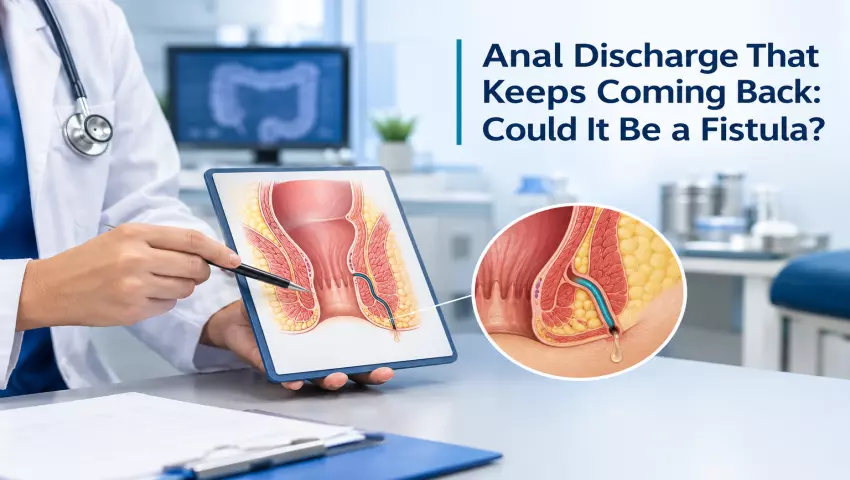
Anal Discharge That Keeps Coming Back: Could It Be a Fistula?
An anal fistula is a small tunnel. It forms between the inside of the anus and the skin outside, near the anus. In simple words, imagine a small pipe joining two points that should not be connected. This tunnel usually develops after a perianal abscess bursts on its own, or is drained by a doctor.

Chronic Anal Fissure: When Does It Need Surgery?
Anal fissures are very common. But many people feel shy to talk about them. Because of this shyness, they delay treatment. And delay makes the problem worse.

The Sandwich Approach: Combining Biofeedback and Targeted Surgery for Fistula Care
The name “Sandwich Approach” comes from its structure. Think of two slices of bread with filling in between. Here, biofeedback therapy is given before surgery. Then targeted surgery is done in the middle. After that, biofeedback therapy is given again. This is why it is called a “sandwich.”

Persistent Pus Discharge Near the Anus – Is It a Fistula?
Pus discharge from anus usually happens due to infection. Inside the anal canal, there are small glands. These glands help in easy passage of stool. Sometimes, these glands get blocked. Once blocked, bacteria can grow inside them, leading to infection.


FiLaC vs VAAFT vs LIFT – Which Fistula Surgery Has Better Success?
An anal fistula is an abnormal tunnel. It forms between the inside of the anal canal and the skin on the outside, near the anus. Most fistulas develop after an anal abscess bursts or gets drained. Once the abscess heals partially, a small track is often left behind. This track keeps discharging pus or fluid on and off. Since the tunnel has an opening on both ends, it rarely closes on its own. That is why surgery becomes necessary in almost all cases.
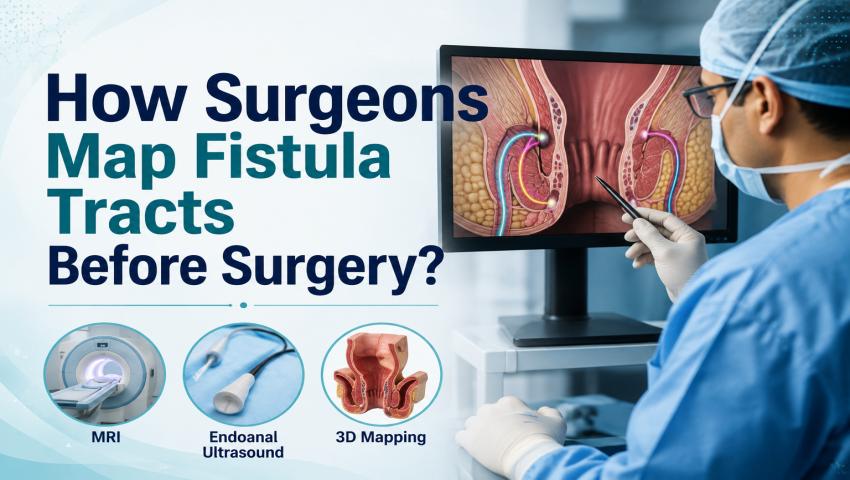
How Surgeons Map Fistula Tracts Before Surgery?
An anal fistula is like a small tunnel. It forms between the inside of the anal canal and the skin near the anus. Most fistulas start after an anal abscess does not heal fully. A small channel is left behind, and infection keeps coming out from it.
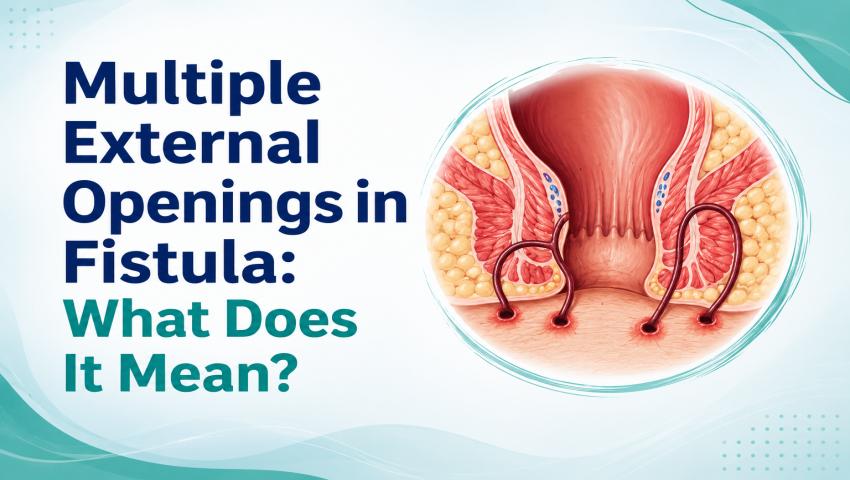
Multiple External Openings in Fistula: What Does It Mean?
An anal fistula can be simple or complex. One sign of a complex fistula is having more than one external opening near the anus. This can worry patients a lot. Many people search for a trusted Fistula Specialist in Pune once they notice more than one opening or wound near the anal area.

Why Choosing the Right Fistula Surgeon Matters?
An anal fistula is a small tunnel. It forms between the inside of the anus and the skin outside. It usually develops after an anal abscess does not heal properly.
Recent News

गुदद्वाराजवळ वारंवार फोड आणि पू येतोय?
26th October 2026
I Have Pus Coming From a
15th October 2026
Anal Discharge That Keeps Coming Back:
5th October 2026
Chronic Anal Fissure: When Does It
18th September 2026
The Sandwich Approach: Combining Biofeedback and
11th September 2026
Persistent Pus Discharge Near the Anus
28th August 2026
FiLaC vs VAAFT vs LIFT –
10th August 2026
How Surgeons Map Fistula Tracts Before
5th August 2026
Multiple External Openings in Fistula: What
16th July 2026
Why Choosing the Right Fistula Surgeon
15th July 2026
Stay ahead in a rapidly world. Subscribe to Prysm Insights,our monthly look at the critical issues facing global business.
[mc4wp_form]