Kaizen Fistula Care

Thrombosed Hemorrhoid – What Is It, Causes, and Diagnosis?

Introduction - Thrombosed Hemorrhoids

Severe anal pain can be highly alarming. If you notice sudden, intense pain along with hard lumps around the anus, you might be dealing with a thrombosed hemorrhoid. This condition can happen to anyone and severely disrupts daily comfort. If you are facing extreme discomfort, getting the right medical advice is crucial. Kaizen Fistula Care, led by Dr. Samrat Jankar, provides advanced and compassionate treatment for complex anorectal issues. Dr. Samrat Jankar is one of the most expert, reliable, and ethical Proctologists in Pune, India. As a highly qualified surgical gastroenterologist and colorectal surgeon, he offers precise solutions for all types of severe hemorrhoids and piles problems.
In this blog, we will discuss what a thrombosed hemorrhoid is, its main causes, symptoms, and the latest treatment options.

What Is a Thrombosed Hemorrhoid?

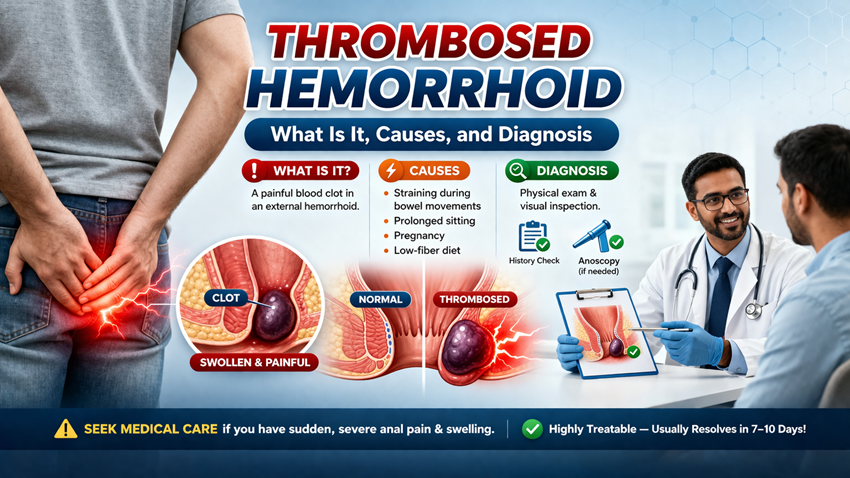
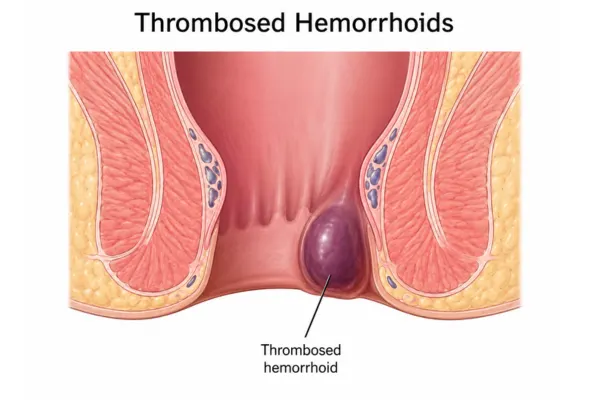
A thrombosed hemorrhoid is an extremely painful condition where a blood clot forms inside a swollen hemorrhoid (piles). Hemorrhoids, commonly known as piles, are swollen veins located in the lower rectum and anus.
While regular piles can be uncomfortable, a thrombosed pile is significantly more painful. This condition usually affects external hemorrhoids. When blood pools in an external pocket, it can clot. This creates a hard, swollen, and bluish lump near the anal opening.

Knowing the specific symptoms of piles haemorrhoids helps you differentiate between a standard case and a painful thrombosed event. While regular piles cause mild itching or bleeding, a thrombosed lump causes sudden, sharp pain that makes sitting or walking very difficult.

Common Causes of Thrombosed Hemorrhoids

Understanding why hemorrhoids occur can help you address the root issue. The main trigger is increased pressure on the veins in your pelvic and anal regions. When this pressure becomes too intense, blood flow slows down, pools, and forms a clot. Here is a clear breakdown of the primary piles reason and remedy triggers:

  • Severe Straining: Constipation forces you to push hard during bowel movements. This is the top cause of blood clots from anus pockets.
  • Chronic Diarrhea: Frequent watery stools irritate the anal lining and put continuous stress on the blood vessels.
  • Prolonged Sitting: Sitting on the toilet or at an office desk for hours reduces healthy blood circulation in the pelvic zone.
  • Pregnancy and Childbirth: The growing baby exerts physical pressure on pelvic veins. Heavy straining during delivery can also cause immediate clots.
  • Heavy Lifting: Lifting heavy weights at work or the gym increases internal abdominal pressure suddenly.
  • Poor Diet: Eating highly processed foods lacks the fiber needed to keep stools soft.

Signs and Symptoms You Should Not Ignore

The symptoms of thrombosed hemorrhoids usually appear very suddenly. Unlike normal piles, which develop slowly, a clot can form over a single day. Look out for these common warning signs:

  • A Hard, Painful Lump: You will feel distinct, tender lumps around the anus. These lumps often turn a dark purple or blue color due to the trapped blood.
  • Sudden, Severe Pain: The pain is constant and sharp. It typically peaks within 24 to 48 hours after the clot forms.
  • Blood with Stool Hemorrhoids: You may notice bright red blood on your toilet paper or in the bowl. This happens if the skin over the swollen clot ruptures.
  • Swelling and Inflammation: The area around the anus becomes highly inflamed, making basic hygiene difficult.
  • Inability to Sit Comfortably: The constant physical pressure on the lump makes sitting down nearly unbearable.

If you observe dark blood clots from anus tissues or experience uncontrollable pain, it is time to seek professional care at Kaizen Fistula Care.

What Happens If a Thrombosed Hemorrhoid Is Left Untreated?

Many people delay medical evaluation due to embarrassment. However, leaving a thrombosed pile untreated can lead to further health complications. Over a week or two, your body may naturally reabsorb the blood clot. While this sounds ideal, the process is very painful. Furthermore, as the swelling goes down, the stretched skin often leaves behind a permanent anal skin tag. These skin tags can trap stool particles, causing chronic itching and hygiene issues.
In worse cases, the skin over the clot can break open. This leads to ulceration, heavy bleeding, and a high risk of bacterial infection. Managing a ruptured, infected lump is far more complex than seeking early hemorrhoid causes treatment.

  • Medical Warning: Never attempt to pop, squeeze, or puncture a thrombosed hemorrhoid at home. Doing so can cause severe infection, permanent tissue damage, and heavy bleeding.

How Doctors Diagnose Thrombosed Hemorrhoids

If you are wondering who treats hemorrhoids, you should consult a specialist known as a coloproctologist or a colorectal surgeon. Experts at Kaizen Fistula Care use specialized diagnostics to confirm the issue. The diagnostic process is quick and generally involves:

  • Visual Inspection: A specialist looks at the anal region to identify characteristic bluish, swollen lumps around the anus.
  • Digital Rectal Exam (DRE): The doctor inserts a lubricated, gloved finger into the rectum to check for internal piles or other structural irregularities.
  • Anoscopy: A tiny, lighted tube called an anoscope is used to inspect the lower rectal lining. This ensures no internal complications are being missed.

An accurate diagnosis helps the specialist differentiate a thrombosed pile from other serious conditions like an anal fissure or a deep perianal abscess.

Best Treatment Options for Thrombosed Hemorrhoids

An effective thrombosed hemorrhoid treatment depends entirely on how quickly you visit a Kaizen Fistula Care clinic. Kaizen Fistula Care offers tailored solutions based on the severity of your condition.

In-Office Medical Procedures (Within 72 Hours)

If you see a coloproctologist within the first 3 days of pain, they can perform a simple procedure called an External Hemorrhoidectomy.

  • The doctor numbs the area with local anesthesia.
  • A tiny incision is made to remove the trapped blood clot entirely.
  • This provides instant, profound relief from the intense pressure.
Conservative Medical Management

If the clot is older than 72 hours, surgical removal may not be ideal. Instead, doctors recommend targeted medicine for hemorrhoids:

  • Best Cream for Hemorrhoids: Medicated topical ointments containing hydrocortisone or lidocaine help numb the sharp pain and reduce local swelling.
  • Oral Medications: Pain relievers and anti-inflammatory drugs help manage the daily discomfort.
  • Stool Softeners: These prevent straining so the healing tissue is not continuously re-injured.
How to Treat External Hemorrhoids at Home

For mild cases, or while waiting for your appointment, you can implement home care remedies:

  • Warm Sitz Baths: Soak your pelvic area in warm water for 15 minutes, three times a day. This relaxes the anal sphincter muscle and lowers pain.
  • Cold Compresses: Apply an ice pack wrapped in a clean cloth to the area for 10 minutes to reduce intense swelling.
  • Witch Hazel: Applying natural witch hazel pads can soothe burning sensations and localized skin irritation.

Tips to Prevent Thrombosed Hemorrhoids Naturally

Securing a long-term cure requires consistent prevention of hemorrhoid issues. Modifying daily habits reduces internal rectal pressure. Use these natural steps to protect your gut health:

  • Load Up on Dietary Fiber: Eat fiber-rich Indian foods like oats, whole wheat rotis, lentils (dals), leafy green vegetables, and fresh fruits. Aim for 25 to 30 grams of fiber every day.
  • Stay Well Hydrated: Drink at least 8 to 10 glasses of water daily. Water softens your stool, allowing it to pass easily without causing friction.
  • Do Not Postpone the Urge: Go to the washroom as soon as you feel the need. Delaying creates hard, dry stools that are difficult to expel.
  • Avoid Excessive Toilet Time: Do not read books or scroll through your mobile phone while sitting on the toilet commode. Limit your toilet sitting time to under 5 minutes.
  • Exercise Regularly: Walk, swim, or practice yoga daily. Regular physical movement stimulates natural intestinal contractions and prevents constipation.

Get Expert Care Today

A thrombosed hemorrhoid can be an agonizing experience, but you do not have to live with the pain. Seeking early evaluation from a skilled proctologist ensures quick relief and prevents long-term complications like skin tags or tissue infections.
If you are experiencing severe anal swelling, pain, or bleeding, schedule a consultation at Kaizen Fistula Care for professional and reliable treatment.

Frequently Asked Questions (FAQ's):

Piles (hemorrhoids) occur when the veins in your anal canal become swollen and inflamed. While they are not typically life-threatening, a thrombosed hemorrhoid can cause extreme pain and discomfort. It is important to consult a piles treating doctor to rule out more serious conditions like infections or rare cases of anal cancer.

A Surgical Gastroenterologist or a Proctologist typically treats piles. If you notice a painful lump near the anus or experience persistent blood with stool (hemorrhoids), you should visit a specialist. Dr. Samrat Jankar is widely regarded as the best piles specialist in Pune for advanced laparoscopic and laser treatments.

The “best” treatment depends on the severity. For mild cases, lifestyle changes and a sitz bath for hemorrhoids work well. For severe or thrombosed hemorrhoids, treatment for external thrombosed hemorrhoids may involve a minor procedure to evacuate the clot or laser surgery for long-term relief.

To cure piles fast, doctors often recommend a combination of high-fiber diets, stool softeners, and topical creams. If the pain is due to a clot, a doctor can perform a quick “clot evacuation” to provide immediate relief. Following professional treatment options for piles is the most effective way to ensure they don’t return.

Small piles can sometimes shrink on their own with proper diet and hydration. However, can piles go away on their own if they are thrombosed? While the clot might eventually be reabsorbed over several weeks, the pain is usually too severe to wait, and medical intervention is often required to reduce piles swelling.

Yes, piles can cause blood in stool, usually appearing as bright red streaks on the tissue or in the bowl. While common, you should never assume all bleeding is just piles. It is vital to ask a doctor how to stop piles bleeding to ensure the blood isn’t coming from a different source higher up in the colon.

The best way to prevent piles pain is to avoid straining. You can achieve this by increasing fiber intake, drinking 3–4 liters of water daily, and not sitting on the toilet for long periods. If you already have symptoms, a warm sitz bath for hemorrhoids can soothe the area before and after movements.