Kaizen Fistula Care

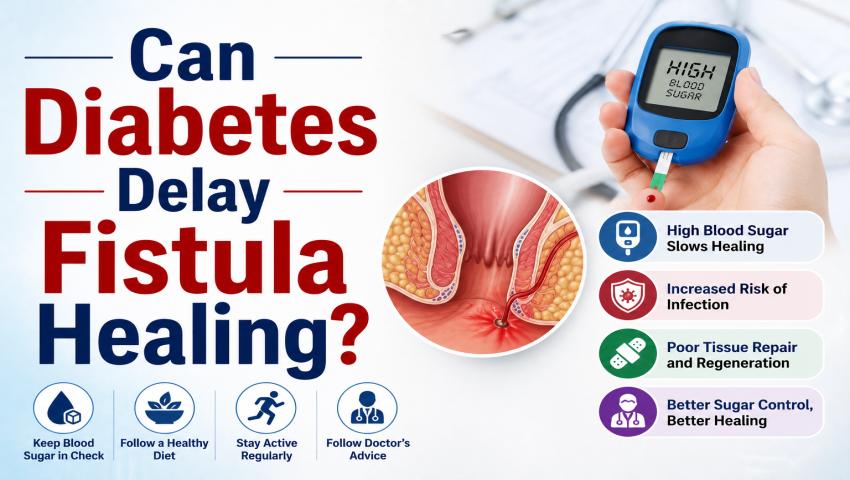
Can Diabetes Delay Fistula Healing?

Managing a health condition is tough. When you have multiple health issues at once, it becomes even harder. A common concern among patients in India is the link between anal fistula and diabetes. Many people wonder: does diabetes affect fistula recovery?

Yes, it does. If you are living with diabetes, your body heals differently. Healing an anal fistula in diabetic patients requires extra care, patience, and the right medical guidance.

At Kaizen Fistula Care, an advanced Fistula Treatment center in Pune, India, we help many patients handle these complex cases. Let us break down exactly how diabetes impacts your recovery and what you can do about it.

What Is a Fistula?

A fistula is an abnormal tunnel or track that connects two body parts.

  • Anal Fistula: This is the most common type. It forms a tunnel between the skin near the anus and the inside of the anal canal. It usually starts from an infection or an abscess (pus collection) that did not heal properly.
  • AV Fistula: An AV fistula dialysis diabetes connection is a different type. Doctors create an arteriovenous (AV) fistula surgically in the arm for kidney dialysis.

Both types of tissue require healthy blood flow to close up properly. However, an anal fistula creates a constant open wound that is highly prone to bacterial contamination.

How Diabetes Affects Fistula Healing?

Your body needs a healthy immune response, proper blood flow, and good nutrition to heal a wound. When you look at diabetes and fistula healing, these natural processes are often disrupted.

So, can diabetes delay wound healing? Absolutely. Diabetes changes how your cells respond to trauma. In a healthy body, the tissue closes steadily after surgery. But with fistula in diabetic patients, the body struggles to repair the deep tissue track. This leads to a much longer diabetes fistula healing time compared to non-diabetic individuals.

Why High Blood Sugar Delays Recovery?

High blood glucose does not just sit in your blood. It actively harms your internal repair mechanisms. Here is why high blood sugar delays your recovery:

  • Poor Blood Circulation: High sugar levels thicken and damage small blood vessels. This limits the amount of oxygen and fresh nutrients reaching your surgical wound.
  • Weakened Immune Response: White blood cells fight off germs. High glucose slows down these cells, meaning your body cannot defend itself well.
  • Collagen Breakdown: Your body needs a protein called collagen to rebuild skin and tissue. High sugar weakens collagen production, meaning the fistula track takes much longer to close.

Because of these factors, achieving strict blood sugar control before surgery is a critical step that your specialist will insist upon.

Signs of Delayed Fistula Healing:

How do you know if your recovery is off-track? After undergoing an anal fistula diabetes treatment, you must watch your body closely.

Contact a specialist like Dr. Samrat Jankar, Fistula Specialist in Pune, India, if you notice these signs:

  • Pain that keeps increasing instead of fading after two weeks.
  • Constant foul-smelling discharge or fresh blood from the wound.
  • The wound looks pale, yellowish, or does not seem to shrink in size.
  • Sudden high fever or chills.
  • Swelling and redness around the anal region.

Risks of Infection in Diabetic Patients:

The combination of diabetes and infection risk is a serious medical concern. Germs love sugar. When your blood sugar is high, your tissues hold more glucose, creating a perfect breeding ground for bacteria.

If an infection takes hold, it can cause severe diabetic fistula complications. The infection can travel deeper into the pelvic tissues, create new branching tracks, or cause a painful recurring abscess. At Kaizen Fistula Care, we prioritize infection control from day one to protect our diabetic patients from these risks.

Tips to Speed Up Fistula Healing with Diabetes:

You can take control of your recovery. Following structured diabetic wound care tips can dramatically cut down your healing time and protect your health.

  • Monitor Blood Sugar Daily: Keep your fasting and post-meal levels within the target range set by your doctor.
  • Take Warm Sitz Baths: Sit in a tub of warm water for 15-20 minutes after bowel movements. This cleans the area gently and improves blood circulation.
  • Eat a High-Protein Diet: Your body needs protein to rebuild tissue. Focus on eggs, dals, paneer, lean meats, and green leafy vegetables.
  • Keep the Area Dry: After a sitz bath, gently pat the area dry with a clean towel or gauze. Moisture can invite fungal and bacterial infections.
  • Avoid Straining: Take stool softeners as advised by your doctor to keep your stools soft. Straining can tear the delicate healing tissues of an anal fistula.

When to See a Fistula Specialist?

Never ignore a slow-healing wound. If your fistula healing seems stuck, it is time to seek expert help.

Managing an anal fistula and diabetes requires advanced care. You should book an immediate consultation at a specialized clinic like Kaizen Fistula Care if you have uncontrolled sugar levels alongside a painful, discharging wound. A timely checkup with Dr. Samrat Jankar, Fistula Specialist in Pune, India, ensures that any hidden tracks or infections are caught early before they become severe.

Conclusion: Managing Diabetes for Better Healing

To sum it up, diabetes does delay fistula healing, but it does not mean you cannot recover completely. By maintaining tight blood sugar control and following proper hygiene protocols, you can achieve successful results.

If you or a loved one is dealing with a fistula in diabetic patients, reach out to our team at Kaizen Fistula Care in Pune. Under the expert guidance of Dr. Samrat Jankar, Fistula Specialist in Pune, India, we offer personalized, advanced, and minimally invasive treatments tailored to help diabetic patients heal safely and quickly.