

Chronic Anal Fissure: When Does It Need Surgery?
Anal fissures are very common. But many people feel shy to talk about them. Because of this shyness, they delay treatment. And delay makes the problem worse.


The Sandwich Approach: Combining Biofeedback and Targeted Surgery for Fistula Care
The name “Sandwich Approach” comes from its structure. Think of two slices of bread with filling in between. Here, biofeedback therapy is given before surgery. Then targeted surgery is done in the middle. After that, biofeedback therapy is given again. This is why it is called a “sandwich.”
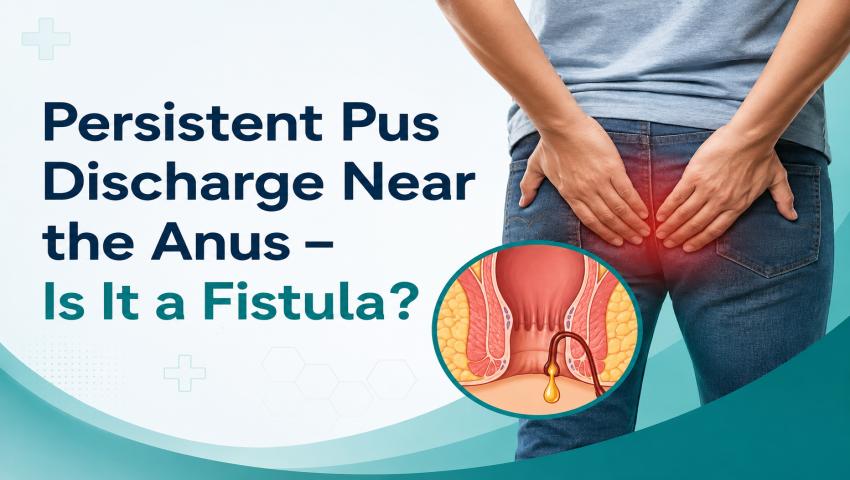
Persistent Pus Discharge Near the Anus – Is It a Fistula?
Pus discharge from anus usually happens due to infection. Inside the anal canal, there are small glands. These glands help in easy passage of stool. Sometimes, these glands get blocked. Once blocked, bacteria can grow inside them, leading to infection.


FiLaC vs VAAFT vs LIFT – Which Fistula Surgery Has Better Success?
An anal fistula is an abnormal tunnel. It forms between the inside of the anal canal and the skin on the outside, near the anus. Most fistulas develop after an anal abscess bursts or gets drained. Once the abscess heals partially, a small track is often left behind. This track keeps discharging pus or fluid on and off. Since the tunnel has an opening on both ends, it rarely closes on its own. That is why surgery becomes necessary in almost all cases.
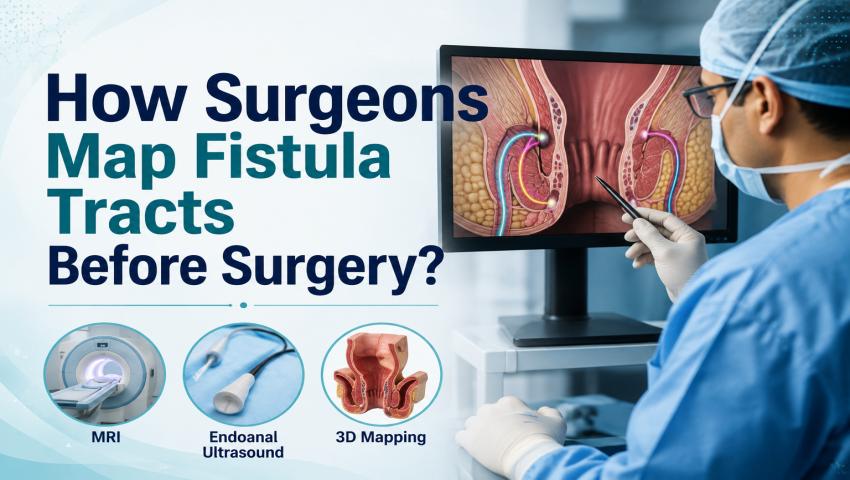
How Surgeons Map Fistula Tracts Before Surgery?
An anal fistula is like a small tunnel. It forms between the inside of the anal canal and the skin near the anus. Most fistulas start after an anal abscess does not heal fully. A small channel is left behind, and infection keeps coming out from it.
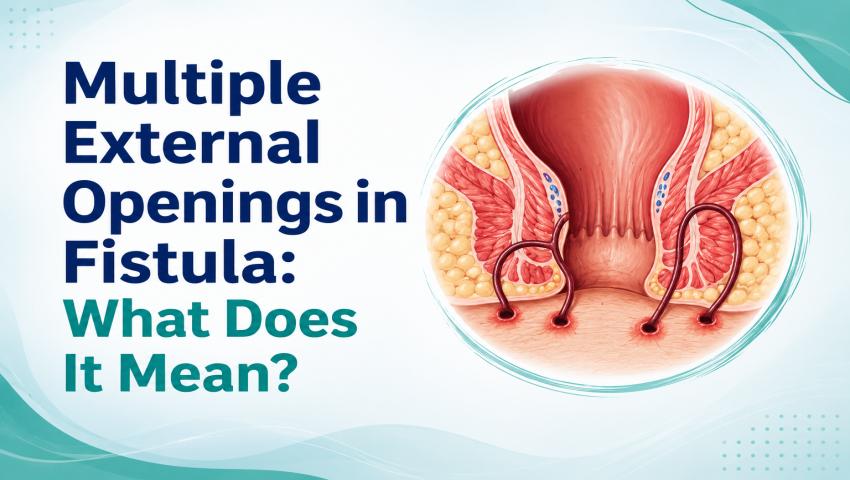
Multiple External Openings in Fistula: What Does It Mean?
An anal fistula can be simple or complex. One sign of a complex fistula is having more than one external opening near the anus. This can worry patients a lot. Many people search for a trusted Fistula Specialist in Pune once they notice more than one opening or wound near the anal area.

Why Choosing the Right Fistula Surgeon Matters?
An anal fistula is a small tunnel. It forms between the inside of the anus and the skin outside. It usually develops after an anal abscess does not heal properly.
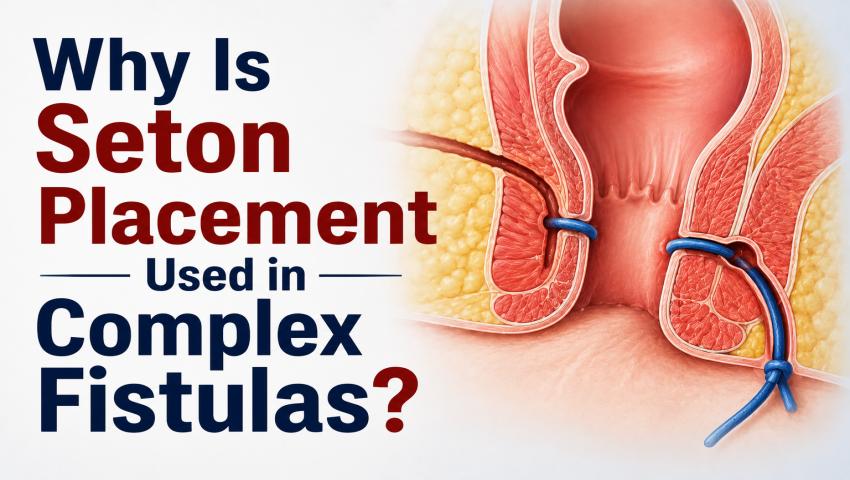
Why Is Seton Placement Used in Complex Fistulas?
A seton is a thin piece of thread, a rubber band, or a surgical suture. In the seton procedure, this material is carefully threaded through the fistula tract and tied loosely outside the body. It stays inside the tract — not to close it immediately — but to manage it over time.

Can Diabetes Delay Fistula Healing?
Your body needs a healthy immune response, proper blood flow, and good nutrition to heal a wound. When you look at diabetes and fistula healing, these natural processes are often disrupted.
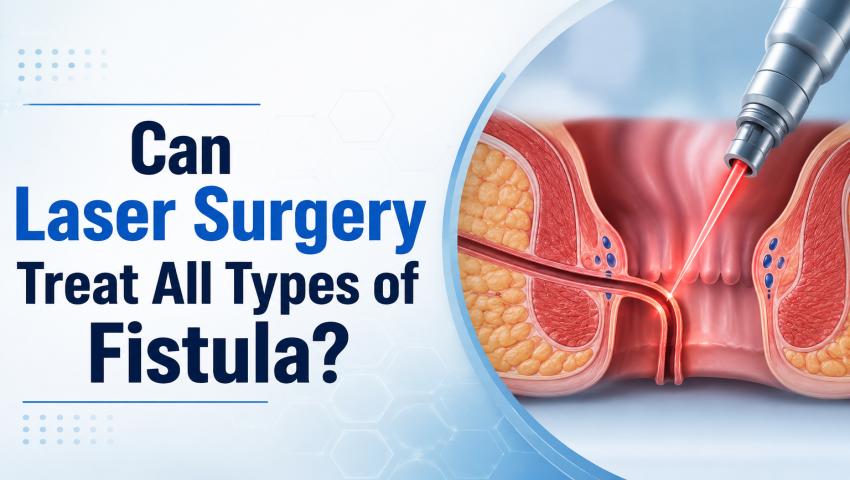
Can Laser Surgery Treat All Types of Fistula?
Many patients today are asking about fistula laser surgery. It sounds less scary, less painful, and faster to recover from. And in many cases, it truly is.
Recent News

Chronic Anal Fissure: When Does It
18th September 2026
The Sandwich Approach: Combining Biofeedback and
11th September 2026
Persistent Pus Discharge Near the Anus
28th August 2026
FiLaC vs VAAFT vs LIFT –
10th August 2026
How Surgeons Map Fistula Tracts Before
5th August 2026
Multiple External Openings in Fistula: What
16th July 2026
Why Choosing the Right Fistula Surgeon
15th July 2026
Why Is Seton Placement Used in
30th June 2026
Can Diabetes Delay Fistula Healing?
26th June 2026