Constipation is often ignored as a minor digestive issue. Many people live with hard stools, straining, and discomfort for months or even years without seeking medical help. What most patients do not realise is that chronic constipation slowly damages the anal canal, leading to painful and serious conditions like fissures, piles, anal abscess, and fistula-in-ano. At Kaizen Fistula Care, a dedicated centre for fistula treatment in Pune, Dr. Samrat Jankar frequently treats patients whose problems started with long-standing constipation. Understanding how constipation harms the anal canal can help prevent long-term complications and avoid surgery. This blog explains how chronic constipation damages the anal area step by step and why early treatment is important.
Constipation becomes chronic when it lasts for more than 3–4 weeks and includes:
Chronic constipation puts repeated pressure on the anal canal every single day.
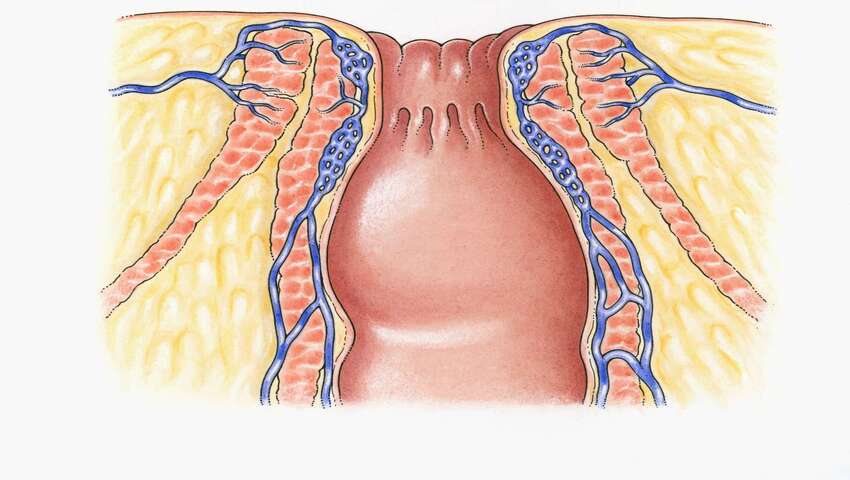
The anal canal is a short but delicate passage surrounded by sensitive skin, muscles, and small glands. It is designed to stretch and relax smoothly during bowel movements. When stools are soft, the canal remains healthy. When stools are hard and bulky, the anal canal is forced to stretch unnaturally, leading to injury.
Hard stools scrape the inner lining of the anal canal.
Over time, this causes:
These tiny injuries may not heal properly because the area is re-injured daily.
When micro-tears deepen, they form anal fissures.
Common symptoms:
According to Dr. Samrat Jankar, fissures are one of the earliest signs that constipation is damaging the anal canal. If fissures are ignored, they become chronic and difficult to heal.
Constipation causes the anal muscles to go into spasm.
This reduces blood flow to the area, which leads to:
The anal canal contains small glands that help lubricate the passage. Hard stools and repeated trauma can block these glands. Blocked glands allow bacteria to multiply, leading to infection. This is the starting point of more serious problems.
An untreated gland infection forms a pus-filled pocket, known as an anal abscess. At Kaizen Fistula Care, Dr. Samrat Jankar sees many abscess cases that started with untreated constipation and fissures.
If an abscess is not completely treated, it creates an abnormal tunnel between the anal canal and the skin. This tunnel is called a fistula-in-ano.
Signs of fistula:
Once a fistula forms, it does not heal on its own. Surgical treatment by a specialist colorectal surgeon is required.
Continued hard stools after fistula formation cause:
Delayed treatment increases surgical complexity and recovery time.
Chronic constipation can also cause:
How Dr. Samrat Jankar Helps at Kaizen Fistula Care?
Dr. Samrat Jankar is a trusted Colorectal & Fistula Specialist in Pune, known for treating complex and recurrent fistula cases.
At Kaizen Fistula Care, patients receive:
The focus is not just treatment, but long-term prevention.
Chronic constipation is not harmless. Over time, it damages the anal canal, causes fissures, infections, abscess, and eventually leads to fistula-in-ano. Recognising early symptoms and seeking timely expert care can save patients from painful complications and complex surgeries.
At Kaizen Fistula Care, Dr. Samrat Jankar provides specialised, advanced, and compassionate care for patients suffering from constipation-related anal diseases.
© 2025 Kaizen Fistula Care All rights reserved