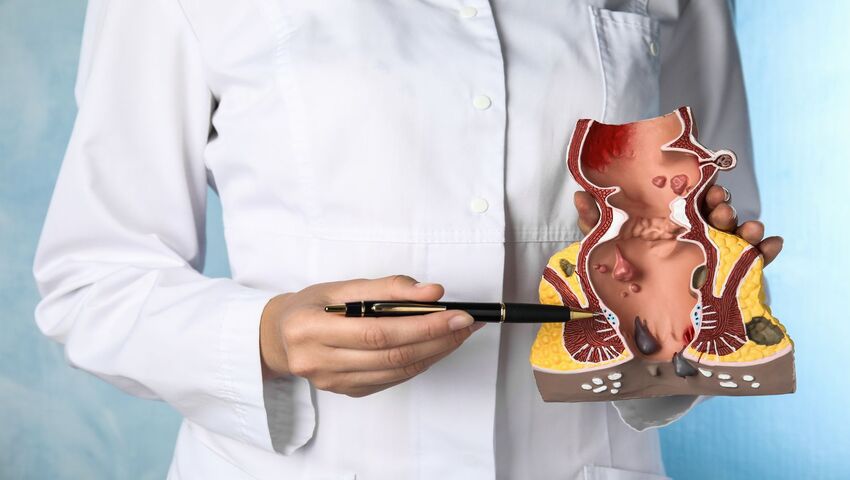
Many people in India experience constipation and hard stools from time to time. Usually, it is considered a simple digestive issue and ignored. But what most people don’t realise is that persistent hard stools can injure the anal canal, leading to infections, abscess formation, and in severe cases, a fistula-in-ano. At Kaizen Fistula Care, Dr. Samrat Jankar—one of Pune’s leading Colorectal Surgeons—frequently treats patients who developed a fistula because of long-standing constipation and unhealed anal infections. Understanding how hard stools damage the anal area can prevent these painful complications. This blog explains how hard stools cause anal tears, infection, abscess, and finally fistula formation.
Hard stools happen when stool stays in the colon for too long. The body absorbs too much water, making the stool dry, hard, and difficult to pass.
Common causes include:
Over time, these hard stools cause repeated strain and pressure on the anal canal.
The anal canal is lined with delicate tissue and contains tiny glands that help in lubrication. Hard stools can cause:
These injuries become the starting point for dangerous complications like abscess and fistula.
Here is the exact sequence commonly seen at Kaizen Fistula Care:
1) Hard Stools Cause Anal Tears (Fissures): When passing hard stools, the inner skin around the anus may tear. This is called an anal fissure.
Symptoms:
A fissure acts like an open wound. If stool bacteria enter, the infection begins.
2) Infection Spreads to Anal Glands
The anal canal has several small glands. Hard stools can block them or push bacteria inside. Blocked glands = Infection Build-Up. Once bacteria enter the gland, they multiply and cause local swelling.
3) Infection Turns Into Anal Abscess
An abscess is a pocket of pus under the skin or inside the anal canal.
Symptoms of Anal Abscess:
Anal abscess is an emergency.
Dr. Samrat Jankar treats such cases frequently. If left untreated, the abscess bursts or drains on its own, leading to a deeper problem
4) The Abscess Creates a Tract → Fistula Formation
If an abscess does not heal completely, it forms a tunnel from inside the anus to the outer skin. This tunnel is called a fistula-in-ano.
Symptoms of Anal Fistula:
Once a fistula forms, it NEVER heals on its own.
Only a colorectal surgeon like Dr. Samrat Jankar can treat it with advanced fistula surgeries.
Once a fistula is formed, hard stools continue to harm the area by:
Patients who delay treatment often end up developing:
Early medical intervention is essential.
Based on patient cases at Kaizen Fistula Care, the following individuals are at higher risk:
If these conditions match you, early evaluation is recommended.
Prevention is always better than treating a complex fistula.
Dr. Samrat Jankar is known for his expertise in Advanced Fistula Management, offering:
Every treatment plan is customized based on MRI findings, fistula type, and patient comfort.
Seek immediate help if you experience:
Ignoring these signs can lead to more complex and painful conditions.
Hard stools may seem harmless, but they can damage the anal canal, cause infections, lead to abscess formation, and eventually result in a painful anal fistula. Early diagnosis and specialised treatment from a colorectal expert like Dr. Samrat Jankar can prevent complications and ensure complete healing. At Kaizen Fistula Care, patients receive world-class evaluation and advanced fistula treatment options tailored to their condition.
© 2025 Kaizen Fistula Care All rights reserved