

How to Know If Your Fistula Is Cured After Surgery? A Complete Recovery Guide
Recovery does not happen overnight. Your body needs time to repair the “tunnel” and grow new, healthy tissue. Understanding the stages of post-operative recovery helps you stay calm.


10 Things You Should Know Before Fistula Surgery
Anal fistula surgery is often the only permanent solution for recurrent discharge, pain, and infection near the anus. Many patients feel anxious before the procedure.
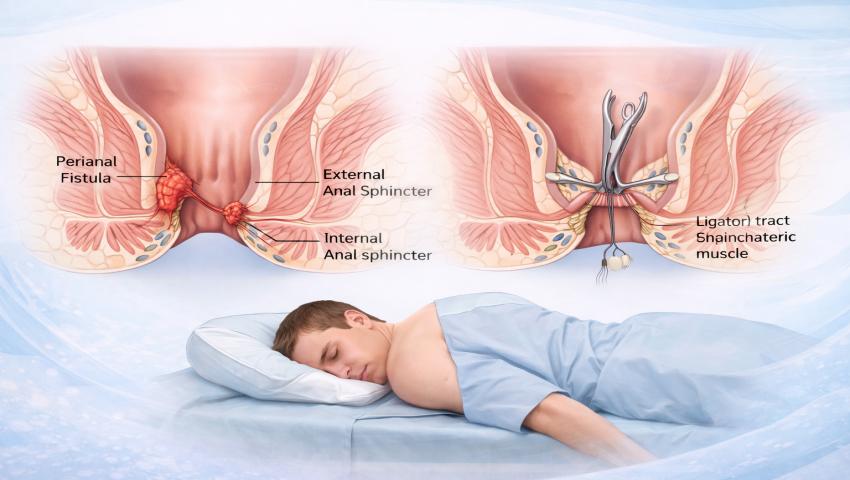
How LIFT Surgery Preserves the Sphincter Muscle? A Patient’s Guide
LIFT stands for Ligation of Intersphincteric Fistula Tract. It is a modern, sphincter-preserving technique specifically designed for complex fistulas.
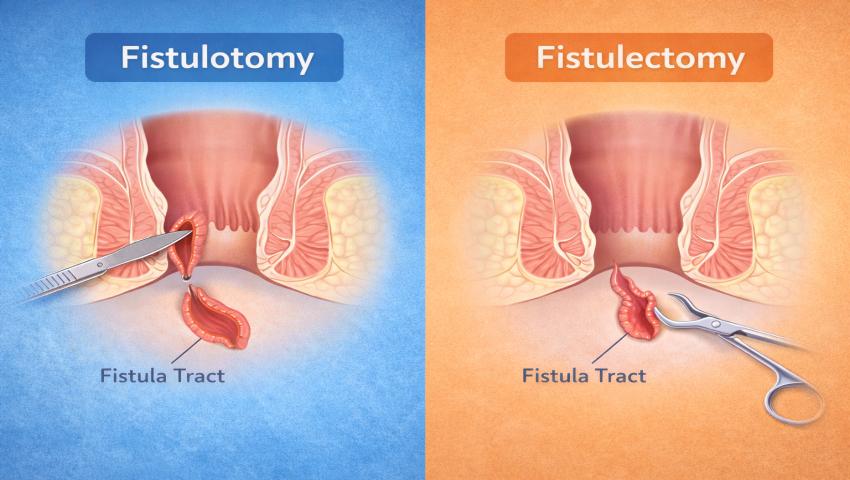
Fistulotomy vs. Fistulectomy: Which Procedure is Right for You?
Anal fistula is a painful and recurring condition that affects daily life. Many patients feel confused when they hear different surgical terms like fistulotomy and fistulectomy.
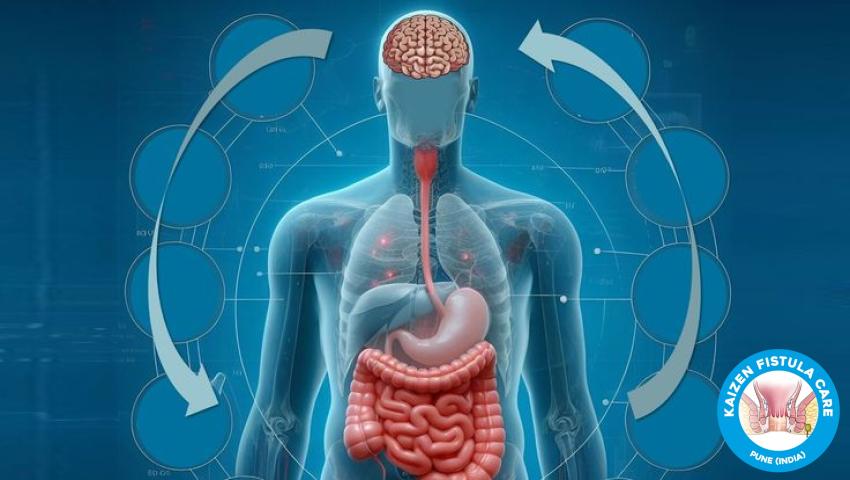
Complex Fistula Management: Why Specialized Surgical Expertise Is Crucial to Preventing Recurrence?
A complex fistula causes pain, discharge, infection, and repeated discomfort. Many patients suffer for years because treatment fails or the fistula comes back. The main reason for recurrence is the lack of specialized care.
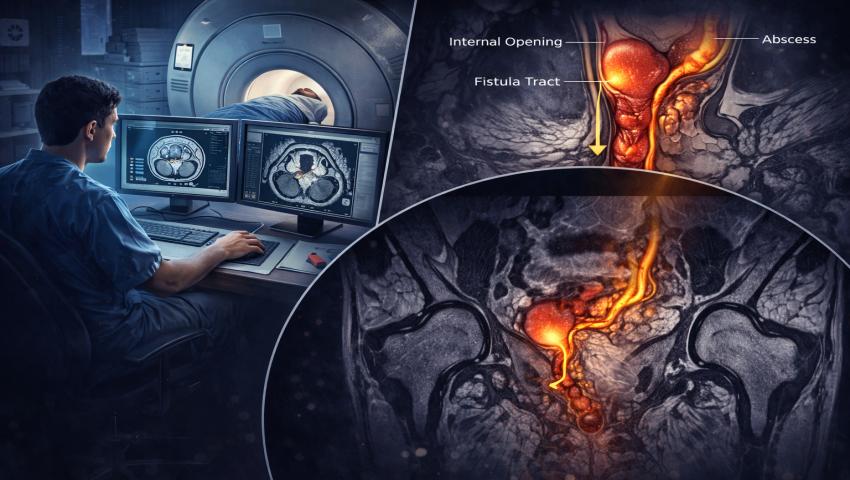
MRI Fistulogram: The Gold Standard for Mapping Complex Fistulas
A fistula is an abnormal connection between two organs or between an organ and the skin. While some fistulas are simple, others are complex, with multiple branches or hidden tracts.
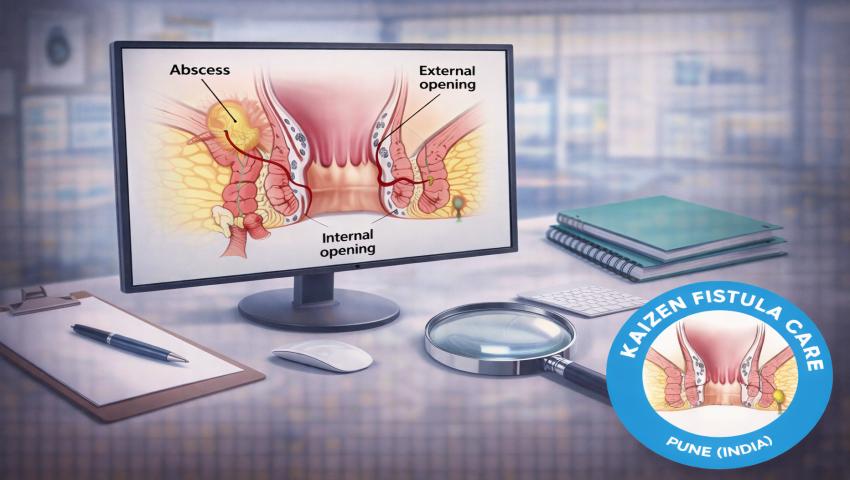
Importance of a Second Opinion for Fistula Treatment
Anal fistula is a painful and often recurring condition that can significantly affect a person’s quality of life. Many patients feel confused, anxious, or rushed when they are told they need surgery.
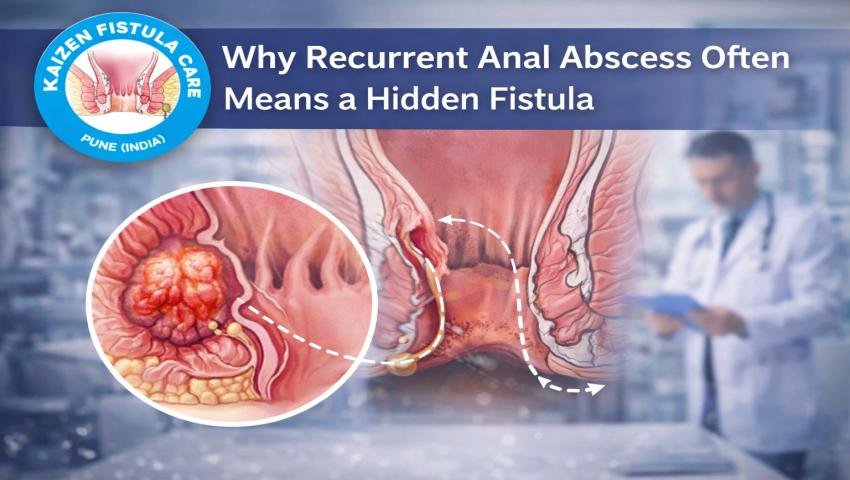
Why Recurrent Anal Abscess Often Means a Hidden Fistula?
An anal abscess is a painful condition that many patients assume is a one-time infection. The abscess may be drained, pain reduces, and life seems normal again.
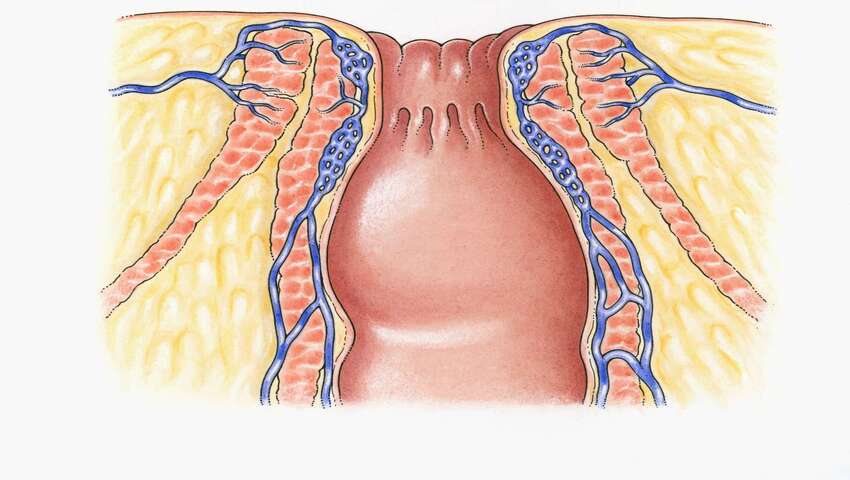
How Chronic Constipation Damages the Anal Canal
Many people live with hard stools, straining, and discomfort for months or even years without seeking medical help. What most patients do not realise is that chronic constipation slowly damages the anal canal, leading to painful and serious conditions like fissures, piles, anal abscess, and fistula-in-ano.
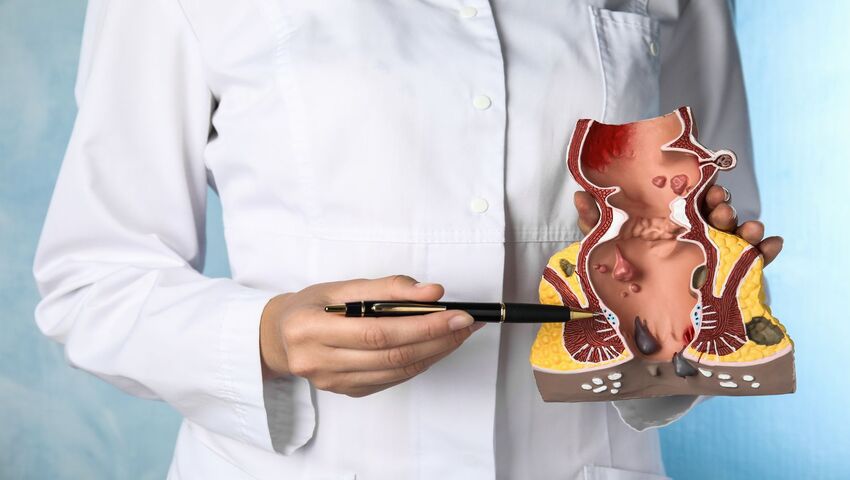
How Hard Stools Damage the Anal Canal
it is considered a simple digestive issue and ignored. But what most people don’t realise is that persistent hard stools can injure the anal canal, leading to infections, abscess formation, and in severe cases, a fistula-in-ano.
Recent News

How to Know If Your Fistula
21st February 2026
10 Things You Should Know Before
18th February 2026
How LIFT Surgery Preserves the Sphincter
18th February 2026
Fistulotomy vs. Fistulectomy: Which Procedure is
16th February 2026
Complex Fistula Management: Why Specialized Surgical
5th February 2026
MRI Fistulogram: The Gold Standard for
27th January 2026
Importance of a Second Opinion for
9th January 2026
Why Recurrent Anal Abscess Often Means
30th December 2025
How Chronic Constipation Damages the Anal
26th December 2025
How Hard Stools Damage the Anal
23rd December 2025
Stay ahead in a rapidly world. Subscribe to Prysm Insights,our monthly look at the critical issues facing global business.
[mc4wp_form]